

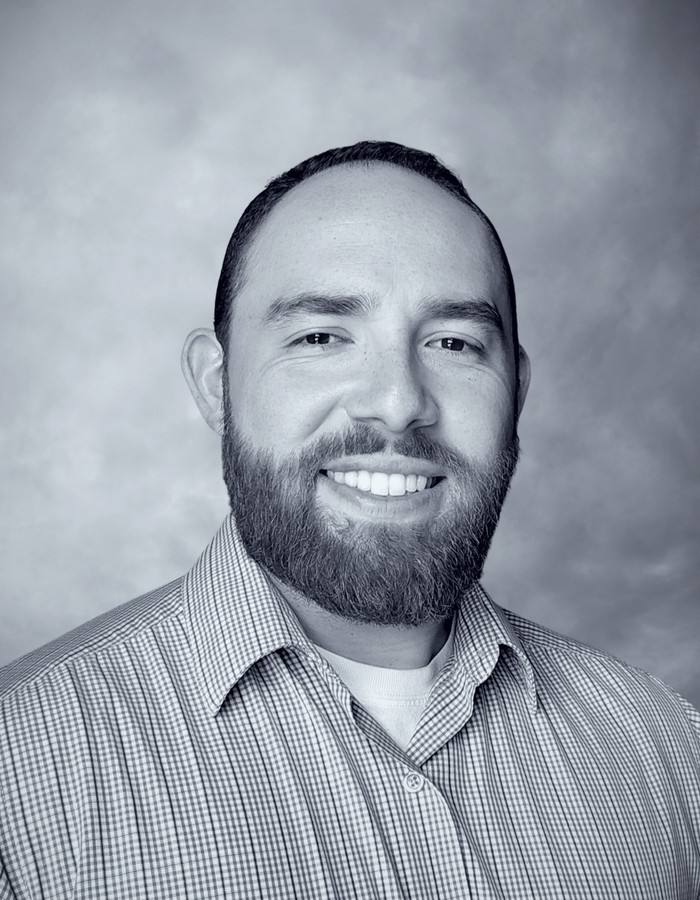
How Geospatial Habits Started
At the beginning of my mapping career, I focused on studying the relationships between people and the physical environment. I studied how weather, climate, mountains, rivers, coastlines, and other physical features influence human decisions, and how those decisions later affect the environment.
While studying Geography at Cal Poly Humboldt, my work centered on the challenges around sustainability between people and their local spaces. That work combined physical realities with demographic, psychographic, and lifestyle habits to forecast how people would use a place.
That way of thinking eventually carried into advertising. I began working with small local businesses—barber shops, dog grooming salons, and bakeries—helping them understand where their audiences were located instead of relying on broad targeting.
As the work progressed, I created Geospatial Habits and expanded into industries such as chiropractors, facial spas, and home caregiving services. Across markets, the same pattern continued to appear: advertising performs better when placed where the exact audience lives and demand is highest.
Experience across many industries revealed a consistent pattern. The strongest results came when geographic insight was applied at the earliest stage of advertising. Geospatial Habits therefore centers its work on top-of-funnel efforts, using location analysis to support awareness and improve click-through rates.
This focus naturally aligns with marketing agencies, media buyers, and advertisers. Measurable performance helps these teams close deals, justify ad spend, and retain clients.
Geospatial Habits draws a clear boundary around its role: directing the right audience to a landing page. Performance beyond that point depends on the creative, offer, and sales systems further down the funnel.
Looking ahead, the next phase of Geospatial Habits is an in-house Google Ads team, with audience mapping as the analytical foundation for campaign structure and targeting decisions.
Thank you for reading.
— Tyson Sudaria